World Cancer Day: Expanding Access, Saving Lives
Today is World Cancer Day and at mothers2mothers (m2m), we are recognising the incredible efforts to combat cervical and breast cancer in communities where access to healthcare remains a challenge. In Malawi, through the Sondra Smalley Cancer Fund, m2m community health workers are delivering life-saving health education, screening, prevention, referrals, early diagnosis, treatment, and follow-up care—ensuring that every woman receives the care she deserves.
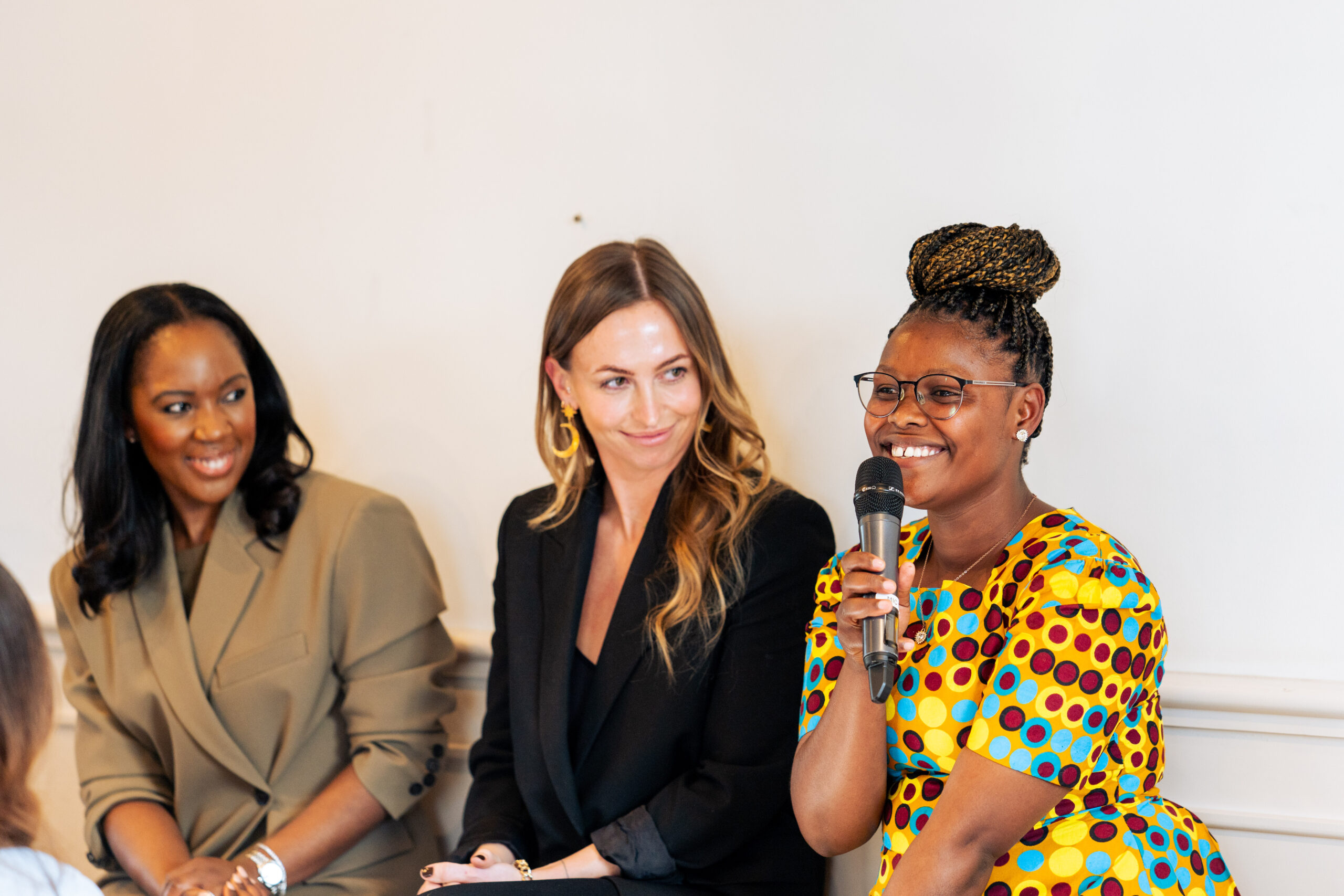
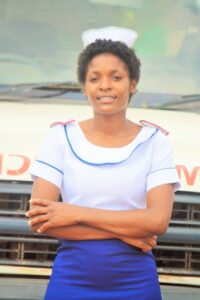 At the heart of this work is Vitumbiko Ng’onga—m2m Malawi’s noncommunicable diseases (NCD) Nurse Clinician, based in Lilongwe. She plays a key role in creating a support system that empowers women with knowledge and access to essential services. By tackling misinformation, stigma, and disparities in healthcare, this initiative is making cancer prevention and treatment more accessible for those who need it most.
In this blog, Vitumbiko tells us more about her role and how this project is putting clients at the centre of care, ensuring that vulnerable and marginalised communities receive tailored healthcare services, building healthier futures for women and their families.
What are your main responsibilities when it comes to educating and supporting women about breast and cervical cancer?
My main responsibilities include providing health education to women, focusing on prevention, risk factors, symptoms, and available treatments for breast and cervical cancer. I also promote Human Papillomavirus (HPV) vaccination for girls aged nine to 18 years to reduce the risk of cervical cancer. Additionally, I facilitate screening activities to help detect early signs of these diseases, ensuring women have access to these critical services. Alongside this, I offer emotional support and counseling to women undergoing screening or treatment, helping them navigate their journey with care and compassion. I also engage with community leaders and organisations to raise awareness about the importance of early detection and regular screening, fostering a community-led effort to combat these diseases.
How do you collaborate with Mentor Mothers in delivering services to clients?
I work closely with Mentor Mothers, who serve as community health workers and peer educators. They frequently organise community engagements to encourage women to undergo cancer screenings. Often at these sessions or during home visits, if they identified a client in need of a screening, they would refer her to me, and I would then work with the clinic to ensure they receive the necessary treatment and care they need. Additionally, I assist the Mentor Mothers in coordinating group discussions, home visits, and follow-up appointments to ensure women receive continuous care and support.
 What are some of the biggest challenges you encounter in delivering cancer education and screening services?
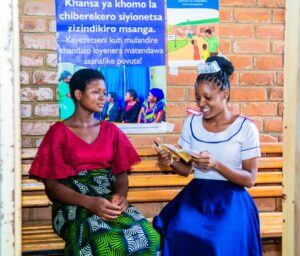
Some of the biggest challenges in delivering cancer education and screening services include client-related, health facility-related, and community-related barriers. Many women fear cancer due to misconceptions and inaccurate beliefs, leading to reluctance in getting screened, late diagnoses, and lost-to-follow-up cases where individuals do not return for further tests or treatment. Health facility challenges such as limited resources, long waiting times, and referral gaps also hinder timely detection and care. Additionally, communities often lack adequate information, education, and communication materials, while social stigma and geographical barriers make access to screening and treatment difficult, particularly in rural areas. To address these challenges, we use storytelling and testimonials from cancer survivors at regular community meetings to encourage screenings.
What strategies have been effective in encouraging women to come for screening and follow-up treatments?
Effective strategies include leveraging peer support, where women feel encouraged by seeing others from their community attend screenings. Mobile clinics have also played a significant role by bringing services closer to the communities, making it easier for women to access screening. We are also collaborating with the Ministry of Health(MOH) Staff in providing and supporting the stakeholder engagement, community involvements and participating, strengthened the community screening, Awareness campaigns, Hot spot identification Additionally, providing small incentives like transportation and sending follow-up reminders have been key in ensuring continuity of care and encouraging women to return for follow-up treatments.
How has the Sondra Smalley Women’s Cancer Fund helped you reach more women?
The Sondra Smalley Women’s Cancer Fund has been instrumental in providing essential resources like screening equipment and community outreach support. It has allowed us to expand services to remote areas, ensuring that even women in hard-to-reach locations have access to education, screening, and treatment options. As a result, we’ve seen a significant increase in early detection of both breast and cervical cancer. Many women are being diagnosed at a precancerous stage, which has greatly improved treatment outcomes and survival rates.
Can you share a specific story where you felt your work made a significant impact?
During a mobile clinic visit to the Chiwoko community, I met a woman who came in for leg pain but was hesitant about cancer screening due to fear and misinformation. After patiently educating and supporting her, she agreed to the screening. The results showed precancerous lesions. Fortunately, because this was detected early, she received timely treatment. Today, she is not only healthy but also an advocate for cancer screening in her community. This is the most rewarding part of my job—seeing the direct impact we make on women’s lives and witnessing the change in attitudes toward health and cancer in the communities we serve.