International Nurses Day 2026: Recognising the Power of Nurses in Community Care
Nurses are often the unsung heroes of health care—serving on the frontlines of disease prevention and playing a critical role in identifying health emergencies before they escalate. This International Nurses Day (12th of May), we at mothers2mothers (m2m) celebrate the dedication, expertise, and impact of nurses in strengthening communities and improving access to care.
In 2019, m2m expanded into clinical services in Lesotho to help address the barriers to health care faced by our clients and communities. This move reinforced our commitment to bringing essential health services closer to the people who need them most, while also helping to ease the strain on Lesotho’s overstretched health system.
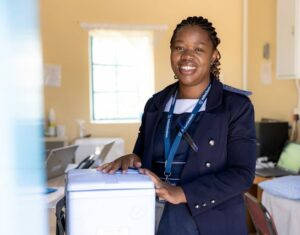
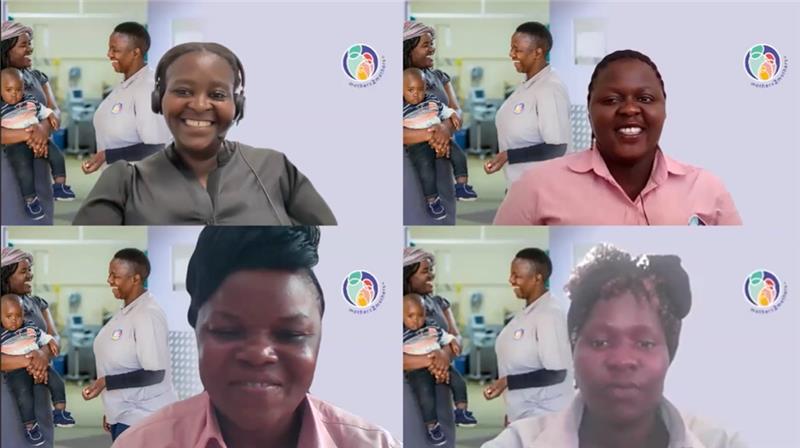
To mark International Nurses Day, we spoke with Maqenehelo, an m2m nurse in Lesotho, to learn more about how she partners with m2m Mentor Mothers to advance community-based health care—and why investing in and supporting the nursing profession is more important than ever.
Q: What drew you to join m2m as a nurse?
A: I wanted to be part of an organisation that works closely with clients, their families, and communities, not only by providing clinical care, but also through psychosocial and peer-to-peer support. Seeing the positive impact m2m Mentor Mothers have in improving the uptake of health services among pregnant and breastfeeding women inspired me and made me passionate about being part of m2m.
Q: How do you work alongside Mentor Mothers and community healthcare teams to support patients?
A: Through their lived experiences, Mentor Mothers are able to relate to clients and build trust both individually and within communities. Mentor Mothers mainly focus on creating demand for services, providing education and psychosocial support through one-on-one interactions and support groups, and linking clients to me for clinical assessments and care. This creates an important bridge between clients and the clinical team, making it easier to provide treatment, guidance, and holistic support.
Q: Why is it important to combine clinical support with emotional and educational support?
A: Emotional and educational support helps reduce fear and anxiety among clients and their families, while also ensuring they understand their treatment and how to take care of themselves. This empowers families to support their loved ones, make healthier choices, and reduce stigma and discrimination.
Q: Can you share a moment when you felt your worktruly changed someone’s life?
A: I remember a young mother who was terrified after receiving her HIV diagnosis. Although she started treatment, she struggled with adherence. With the support of a Mentor Mother, who shared her own lived experience and provided household-level support, the young woman regained confidence and improved her treatment adherence. As a result, her child remained HIV-negative, and she later became actively involved in m2m support groups, encouraging other young mothers to stay on treatment.
Q: What gives you hope when facing difficult days at work?
A: The joy and relief of breastfeeding mothers when they receive their children’s HIV-negative results reminds me that every effort we make is worthwhile.
Q: What are some of the biggest challenges nurses face in the communities you serve?
A: Resource shortages, long travel distances for patients coming from remote areas, and stigma around HIV and immunisation remain major challenges. Most of the time, weather conditions also disrupt outreach services and access to care. Heavy rains can make roads unusable, while floods and lightning are not uncommon. These conditions affect clients’ ability to reach health facilities and can also disrupt electricity in our homes and health centres, making service delivery even more difficult.
Even now, Lesotho is experiencing extremely cold weather, with snowfall in some areas. Many clients struggle to come to the clinic because of the cold and difficult travel conditions.
Q: What support would help nurses in Lesotho do their jobs more effectively?
A: Reliable medical supplies, ongoing capacity building and mentorship, and stronger community engagement would make a significant difference. Support for transport and outreach services is also very important.
Q: What would you like the world to understand about the importance of nurses in strengthening health care systems?
A: Nurses are the backbone of health care systems. We are often the first point of contact for patients, and our role goes far beyond treatment. We educate, comfort, support, and advocate for our patients every day.
Q: On International Nurses Day, what are you most proud of in your work?
A: I am proud of the lives that have been saved, the mothers who have been empowered, and the children who now have healthier futures because of our collective efforts.