Recognising the Health Impact of Food Insecurity this World Food Day
Every year on 16 October, the world comes together to celebrate World Food Day. This global event serves as a powerful reminder of the critical role that food plays in our lives. Beyond being a source of sustenance, food is a fundamental human right and a cornerstone of cultural identity. It connects us to our communities, families, and traditions, and yet, millions of people continue to face chronic hunger and food insecurity.
For mothers2mothers (m2m), the effects of food insecurity and malnutrition are felt profoundly across the communities we serve. These challenges not only limit access to health care but also hinder overall well-being – disproportionately affecting women, children, and those living with HIV, and exacerbating health disparities in already vulnerable populations.
In sub-Saharan Africa, food insecurity is driven by multiple factors, including climate change, poverty, rapid population growth, and conflicts. Recent global crises, such as the COVID-19 pandemic and global wars, have only exacerbated these shortages, making it even more difficult for families to access nutritious food.
The impact of food insecurity on health
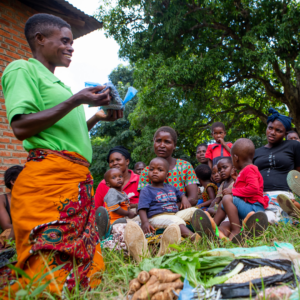
Women and children bear the brunt of this crisis. Beyond the physical toll of malnutrition, hunger increases the risk of gender-based violence, sexual exploitation, and abuse. It also deprives children of the opportunity to grow up healthy and thrive, perpetuating a cycle of poverty and inequality.
- Maternal and child health: Malnourished pregnant women are at higher risk for complications during pregnancy and childbirth, which can lead to poor health outcomes for both mothers and infants. Children experiencing malnutrition in early life face stunted growth, cognitive impairments, and long-term health issues, making m2m’s maternal and child health services all the more critical.
- Barriers to treatment adherence: Food insecurity can disrupt treatment regimens. For instance, people living with HIV and other health concerns may struggle to take treatment on an empty stomach, affecting the medication’s efficacy and increasing the risk of drug resistance. This creates a vicious cycle that further jeopardises health outcomes.
- Weakened immune systems: Malnutrition compromises immune systems, making individuals, especially those living with HIV, more susceptible to infections. This makes m2m’s efforts to prevent the spread of diseases like tuberculosis (TB) and malaria more challenging.
m2m’s response to these challenges
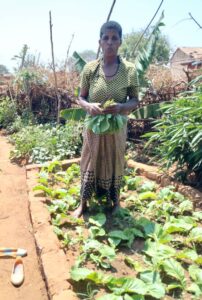
m2m recognises the critical link between nutrition and health outcomes and has developed integrated health services to address these challenges. In Malawi, with support from the Denise Coates Foundation, m2m utilises a household mapping tool to identify vulnerable households—especially those with children under five, pregnant women, and lactating mothers. These households receive nutrition education, participate in cooking demonstrations, and learn how to establish food gardens. All participants are screened for malnutrition, HIV, and other vulnerabilities, ensuring that they are linked to the necessary healthcare services.
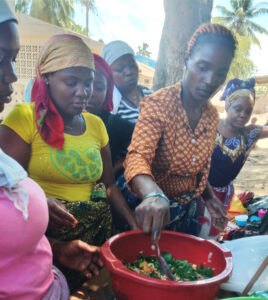
In Mozambique, m2m nutrition pilot project—which we initiated as part of our participation in the World Food Programme Innovation Accelerator Sprint programame – reached 5,535 pregnant and breastfeeding women and their children through integrated nutrition, paediatric and PMTCT services, demonstrating a cost-effective and scalable approach to combating malnutrition. By integrating nutrition with social protection interventions, m2m has provided a blueprint for expanding these programmes to other provinces and countries, ensuring that more communities can benefit from life-saving support.
A Call to Action
As we commemorate World Food Day, we are reminded that addressing food insecurity requires collective action. Communities, local organisations, and individuals all play a vital role in ensuring that no one goes hungry. Through initiatives like community gardens, food banks, and educational programs, we can make a tangible difference in the lives of those facing food insecurity.
At mothers2mothers, the fight against hunger and malnutrition is woven into our mission to create healthier, stronger communities. On this World Food Day, let us reaffirm our commitment to a future where food is not a source of scarcity, but a symbol of nourishment and opportunity for all.