World Children’s Day: Building A Better Future for Orphans and Vulnerable Children
Since our creation in 2001, mothers2mothers (m2m) has been committed to ensuring that every child thrives, not just survives, by providing services that protect and improve the health and development of infants and children.
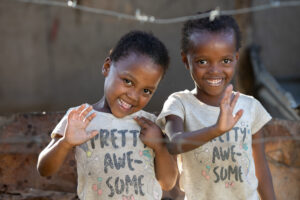
This World Children’s Day, we are spotlighting the orphans and vulnerable children that m2m Mentor Mothers serve across sub-Saharan Africa. For children in these communities, the challenges can be immense—from losing a parent due to HIV to growing up in stigmatised or resource-scarce environments
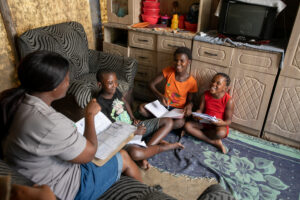
Mentor Mothers are there to support them with home-based services, including HIV education, screenings for disease and violence, and referrals to a range of health and social services.
Africa has the youngest population in the world, with 70% of sub-Saharan Africa under the age of 30.
With the African continent projected to be home to nearly half of the global youth population by 2050, it is critical that children are able to access the health care they need to thrive, not just survive.
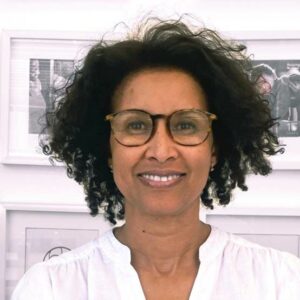
We spoke with Yolande Baker, m2m’s Senior Technical Advisor for Early Childhood Development and OVC, about the unique challenges faced by the children and families we serve in South Africa and how our community-led approach is making a difference.
When we talk about supporting OVC populations, who are we referring to?
Yolande: Orphans include children who have lost one or both parents to HIV/AIDS. Vulnerable children may be living with HIV themselves or with a caregiver who has HIV. This is even more important if that caregiver isn’t virally suppressed (where HIV is reduced to a very low level with antiretroviral therapy).
Vulnerabilities also come from having elderly or disabled caregivers, being exposed to violence, living in isolated communities, or facing mental health challenges at home. Some children even serve as primary caregivers to their siblings, making them more susceptible to exploitation. The challenges they face can often be numerous and layered.
What specific challenges impact OVC populations the most?
Yolande: Issues such as exposure to HIV, limited resources or unsafe living conditions exist across the continent, though regional challenges can vary. In Eastern and Southern Africa, for example, higher HIV rates increase the risks for children. In some countries, practices like child marriage or female genital mutilation further intensify these challenges, especially for adolescent girls.
 How does stigma affect the lives of vulnerable children?
Yolande: Stigma can greatly increase vulnerability. For instance, stigma around disability can make it harder for individuals to access help. Households where the caregiver is a sex worker also face intense stigma, complicating access to services and support. m2m Mentor Mothers, coming from the same communities where these stigmas exist, are trained to provide sensitive, targeted support to help navigate these complex situations.
How does m2m identify orphans and vulnerable children?
Yolande: Our approach involves visiting households, where we can directly identify OVCs. Sometimes, neighbours, other community members or clinical partner organisations working with us refer children to our care. Clinics that offer services like nutrition and tuberculosis treatment also serve as key points of contact, where m2m Mentor Mothers or facility nurses can assess and address the needs of vulnerable children.
What unique benefits does m2m’s Mentor Mother Model bring to this work?
Yolande: Assigned to specific households, Mentor Mothers develop trust-based relationships, making it easier for families to reach out or refer others in need. Regular contact and ongoing support are crucial here.
Mentor Mothers build trust and offer continuity of care through a two-way referral system. They connect clients to health facilities and social services and serve as the central link connecting relevant services to each client. This model ensures that services are accessible and that each household’s unique needs are met. m2m is one of the few organisations with Mentor Mothers based in both facilities and communities, creating a seamless link between clinical services and community support.
For example, our household visits ensure that clients can access vital services, such as HIV treatment, testing, and psychosocial support groups that promote mental health. We also use a client-centred application to actively track support and follow up with clients.
Plus, Mentor Mothers are well-trained, paid, and supported, allowing them to focus on clients’ needs fully, fostering strong bonds based on shared experience and deep understanding. Mentor Mothers really do walk the journey with the clients—that’s what makes it possible for Mentor Mothers to help us achieve our ambitious targets.
 How do OVC programmes fit into the overall work that m2m does
Yolande: Our OVC programmes combine both technical assistance and direct service delivery. Through Mentor Mothers, we provide direct support while also strengthening healthcare systems by offering technical guidance to health ministries and community organisations.
Supporting OVCs isn’t an isolated programme—it’s woven into every part of our work. Whether in health, education, or economic stability, the m2m model is adaptable and resilient, allowing us to meet the diverse needs of OVCs.
How is m2m’s work with OVC populations evolving?
Yolande: Caring for OVCs is fundamental to m2m. We are always committed to ensuring children’s health needs are met, that they’re in school, live in a stimulating environment, and that caregivers are supported.
What’s evolving is a growing focus on sustainability and capacity-building within government systems and community organisations. By addressing root causes of vulnerability and strengthening local systems, we’re working to create a sustainable structure that can continue supporting OVCs for generations.
–
m2m remains dedicated to transforming the lives of orphans and vulnerable children across sub-Saharan Africa through community-based care. By building sustainable support systems and addressing the unique challenges faced by children, we can create a brighter tomorrow for the next generation.
Sign up to our newsletter to follow our journey!